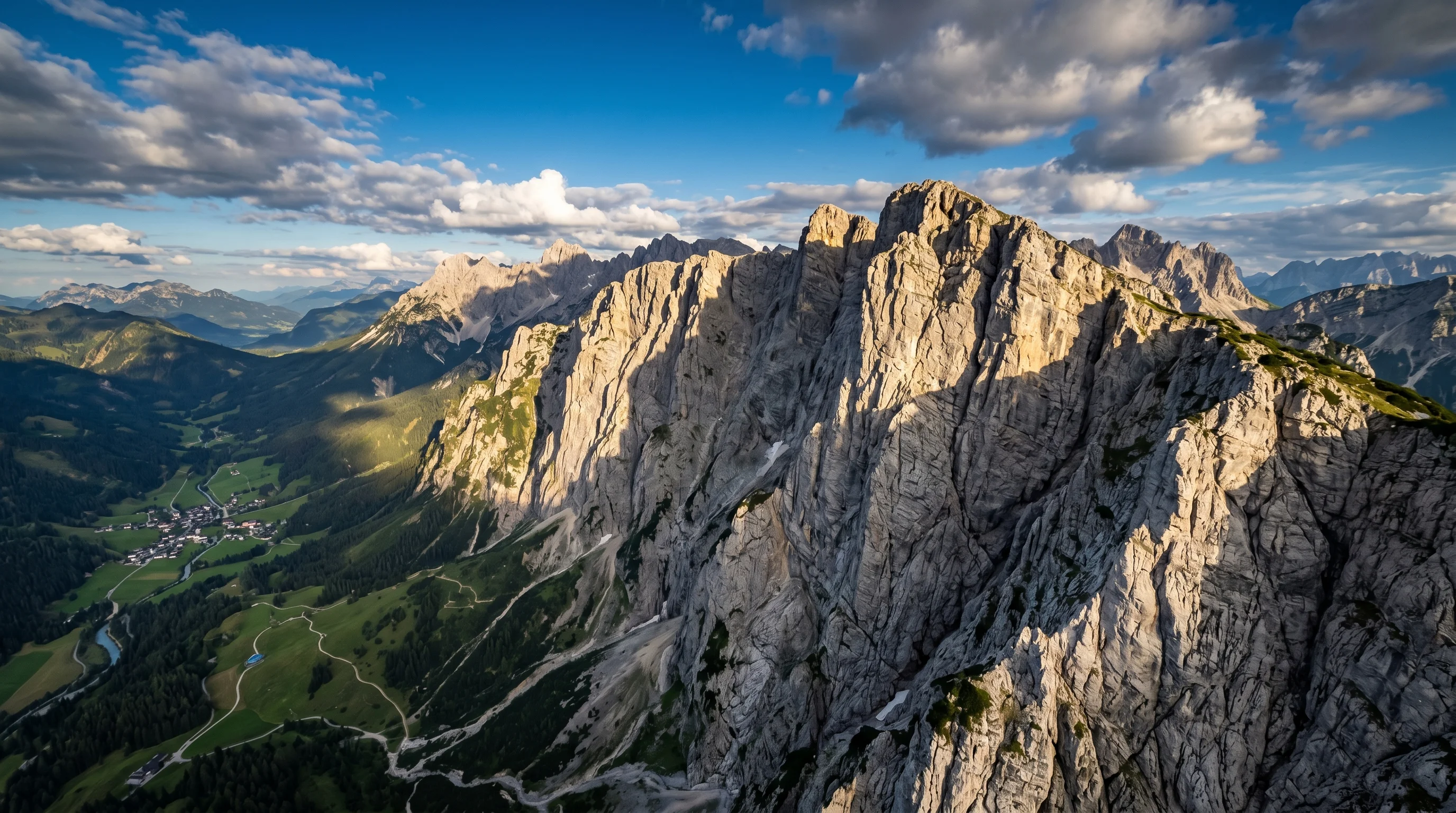
Dramatic limestone cliff faces in the Tyrolean Alps

Climbing
in Tyrol

Complete routes, expert guides, and local knowledge for Austria's finest walls.

500+

Documented Routes

4

Major Climbing Areas

3a9a

Grade Spectrum

12

Months of Climbing

Four Worlds,
One Region

Tyrol concentrates some of Europe's finest limestone and granite climbing within a two-hour radius.

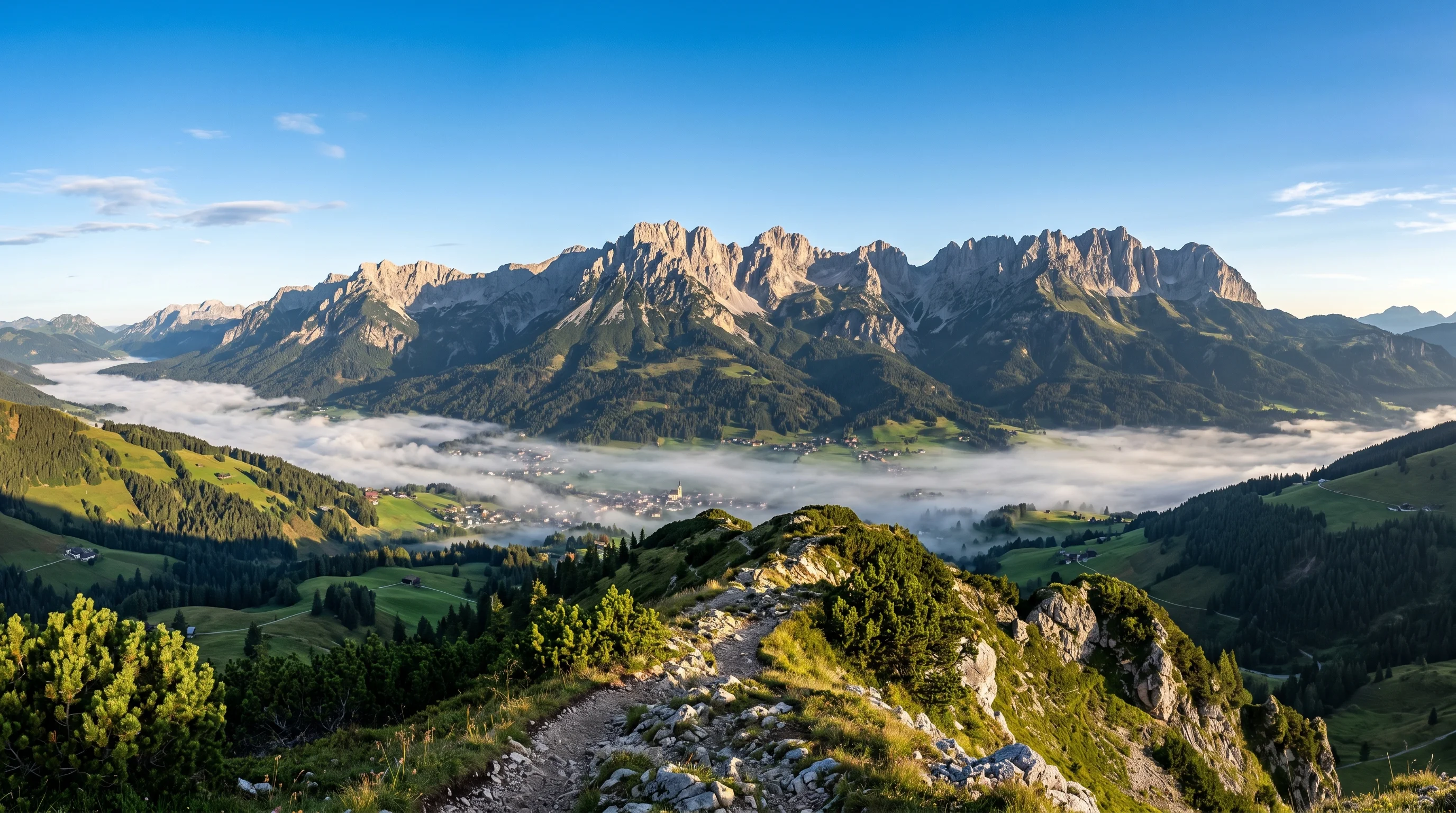
Wilder Kaiser massif rising above morning clouds in Tyrol
5a–8b+ Sport · Trad · Multi-pitch

Wilder Kaiser

Austria's most iconic crag. Towering limestone walls, impeccable bolt spacing, and routes for every grade — the Kaiser delivers.

Explore area
4b–7c

Innsbruck Area

01

City crags accessible in under 30 minutes. Nordkette's limestone slabs, Martinswand multi-pitch, and the local sport sector at Arzl.

12 sectors · All year
5c–9a

Zillertal

02

Hard sport climbing on compact schist and granite. World-class sectors at Hainzenberg and Fügen draw elite climbers from across Europe.

8 sectors · May–Oct
3a–7a

Ötztal

03

Remote valley crags and long alpine routes. Quieter crowds, dramatic scenery, and excellent moderate multi-pitch in a stunning glacial setting.

6 sectors · Jun–Sep

Choose
Your Style

Sport Climbing

Pre-bolted limestone routes from beginner-friendly slabs to overhanging 9a test-pieces. Tyrol's sport scene rivals anything in France or Spain.

Grade Range

4a – 9a

Trad Climbing

Place your own protection on crack systems and arêtes. The Wilder Kaiser and Karwendel offer serious traditional lines with outstanding exposure.

Grade Range

3a – 7b

Bouldering

Powerful moves on compact limestone blocks. The Inn Valley and Zillertal riverbed sectors offer world-class problems without the faff of ropes.

Grade Range

V0 – V13

Alpine Routes

Multi-day adventures on high-altitude ridgelines and glacier approaches. The Ötztal and Stubai Alps provide some of the finest alpine terrain in the world.

Grade Range

F – ED

Featured
Routes

View All Routes

Südwand Direct

Martinswand · Innsbruck

6b
240 m · 12 bolts · Sport

Eldorado

Fleischbank · Wilder Kaiser

7a+
320 m · 18 bolts · Sport · Multi-pitch

Kaiser Max

Hohe Munde · Ötztal Gateway

4+
480 m · Trad gear · Alpine · Multi-pitch

Hainzenberg

Zillertal Valley · Schist Crag

8b
28 m · 11 bolts · Sport · Overhanging

Conditions
& Safety

Climbing Seasons

Spring (Mar–May) Valley crags open up. South-facing walls climbable from March. Expect wet rock after snow melt.
Summer (Jun–Aug) Peak season. High-altitude routes and alpine objectives fully accessible. Afternoon storms common.
Autumn (Sep–Nov) Ideal conditions. Stable weather, dry rock, fewer crowds. Best season for hard sport routes.
Winter (Dec–Feb) Low valley crags open on dry days. Indoor gyms keep local climbers sharp until spring.

Rock Types

Limestone

The dominant rock in Tyrol. Sharp, featured, pocket-rich. Dries quickly but can be sharp on fingertips in warm conditions.

Schist & Granite

Found in the Zillertal and Ötztal. Friction-heavy, technically different to limestone. Takes longer to dry after rain.

Conglomerate

Niche sectors near the Inn Valley. Unique rounded holds, very different movement style. A local curiosity worth exploring.

Safety First

  • Always check bolt condition before clipping — older sectors may have aging hardware. Report issues to local DAV sections.
  • Austrian alpine routes require navigation skills, map reading, and experience with variable weather. Hire a guide if uncertain.
  • Emergency: Alpine Rescue Tyrol (Bergrettung) — 140 (Austria) or 112 (EU). Register plans with mountain rescue when on multi-day routes.
  • Afternoon thunderstorms develop fast in summer. Start early, watch the sky, and build in descent time before noon.
  • Respect access agreements. Many crags are on private land or protected areas — follow posted rules and stay on marked trails.
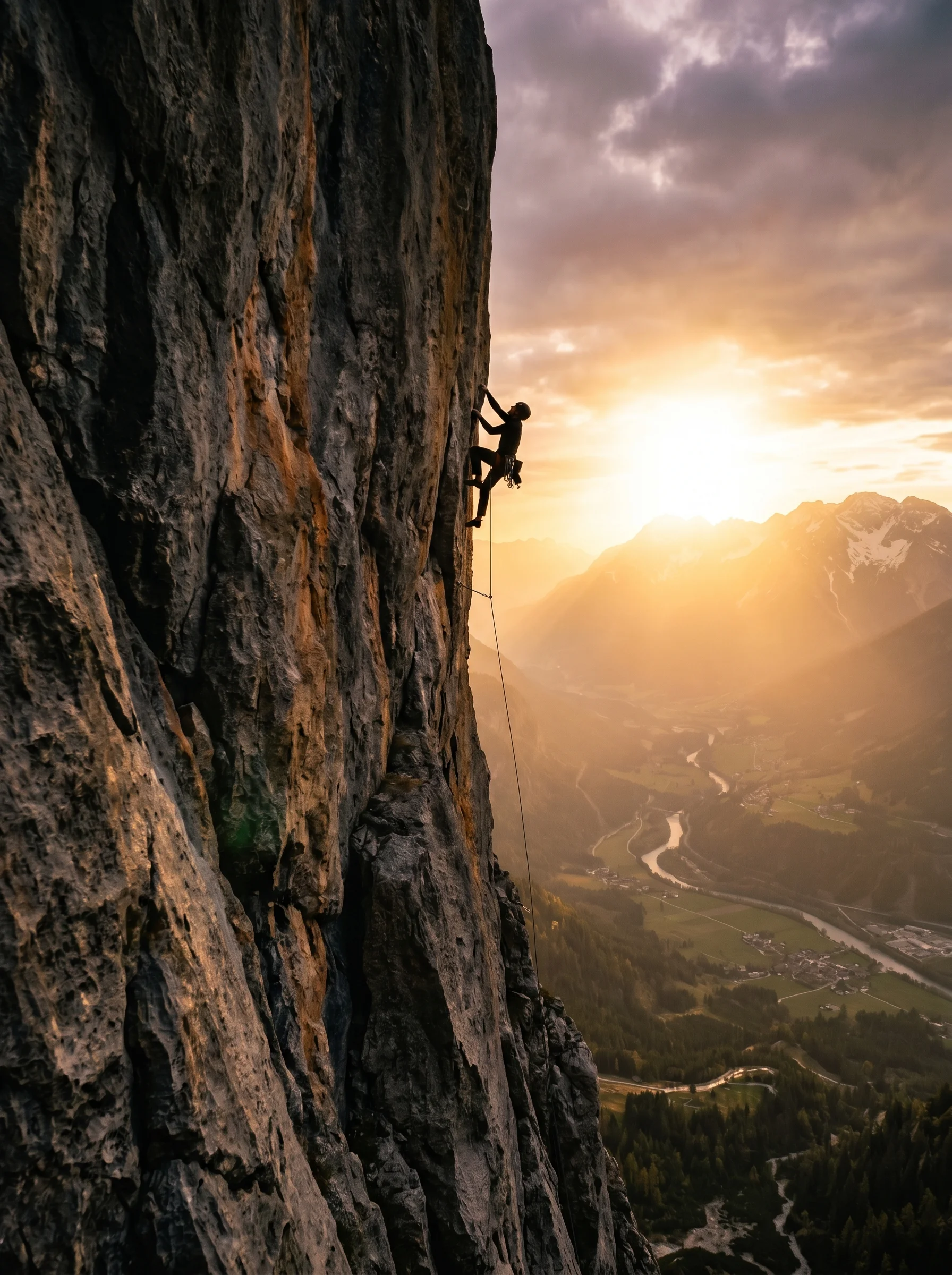
Rock climber silhouetted against Tyrolean Alps at sunset

Climb with
Expert Guides

From your first multi-pitch to a hard sport project — certified Austrian mountain guides take you further, safely.

IVBV

Certified Guides

15+

Years Experience

Small

Groups Only

Everything
You Need
to Know

Where can you climb in Tyrol? +
Tyrol has hundreds of crags spread across four main areas: the Innsbruck region (accessible year-round), the Wilder Kaiser (Austria's most famous crag), the Zillertal (hard sport and schist), and the Ötztal (alpine and moderate multi-pitch). Innsbruck itself sits surrounded by cliffs — you can be on rock within 20 minutes of the city centre.
Is Tyrol good for beginners? +
Absolutely. Many sectors cater specifically to beginners and improvers, with grades starting at 3a and excellent bolting throughout. The Innsbruck area has beginner-friendly crags with short walk-ins and easy anchor setups. Taking a guided course is the fastest way to progress safely — local guides know the perfect beginner routes and can tailor the experience to your level.
What is the best season for climbing? +
Autumn (September to November) is widely considered the best season — stable high pressure, dry rock, cooler temperatures, and fewer people. Spring (April–May) is also excellent for valley crags. Summer works well for high-altitude and alpine objectives, but afternoon thunderstorms are common so early starts are essential. Low valley crags can be climbed on dry winter days.
Do I need a guide for climbing in Tyrol? +
For bolted sport routes, experienced climbers can go independently — route information is well documented and sectors are generally well-signed. For alpine routes, multi-pitch trad, or glacier approaches, a certified mountain guide (IVBV) is strongly recommended. Beyond safety, guides provide local knowledge that takes years to develop: hidden sectors, seasonal conditions, and the best routes for your specific ability.
What gear do I need? +
For sport climbing: a 60–70m dry-treated rope, 12–15 quickdraws, harness, belay device, helmet, and rock shoes. For multi-pitch and trad: add a full rack of nuts and cams, slings, cordelette, and a 60m half-rope or twin rope. Alpine routes require crampons, ice axe, and glacier travel equipment depending on the objective. Gear can be rented in Innsbruck from several outdoor shops.
Are climbing areas free to access? +
Most crags in Tyrol are free to access, though some require parking fees or involve walking through private land where landowner permissions apply. The Wilder Kaiser has a small seasonal conservation fee that goes towards maintaining the area. Membership of the Austrian Alpine Club (ÖAV) provides access to huts and supports conservation efforts across all of Tyrol's climbing areas.